What Causes Malignant Mesothelioma?
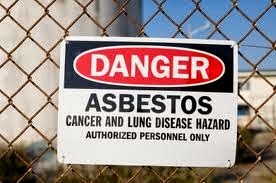
Mesothelioma is known only to be caused by asbestos exposure. Asbestos is a nature, yet toxic mineral that was used commonly in heavy industry. Microscopic asbestos fibers enter the body through the lung or ingestion. Once inside, the durable fibers are unable to be broken down or expelled by the body, causing a harmful inflammation and scarring of the mesothelium. This scarring lays the groundwork for malignant mesothelioma and other respiratory conditions, such as asbestosis.
There is a great deal of latency associated with asbestos exposure and the onset of mesothelioma. Often patients will not encounter mesothelioma symptoms until 30-50 years following exposure to asbestos. In many cases, those diagnosed with mesothelioma are not those who were directly exposed to asbestos in a jobsite setting. Spouses and children of those exposed to asbestos who frequently came into contact with the fibers on the clothing or person of those exposed have also developed malignant mesothelioma as a result.
How is Malignant Mesothelioma Treated?
Malignant mesothelioma prognosis is poor, as often the disease will be diagnosed in its later stages after symptoms have appeared. However, there are several treatment options for the management of the cancer. Among these are mesothelioma chemotherapy, radiation therapy, and surgical resection. Chemotherapeutic and radiation therapy methods are more likely but surgery is often an option for those whose disease is diagnosed early enough.
More aggressive therapies are now possible for patients with mesothelioma diagnosed in its earlier stages. For instance, extrapleural pneumonectomy is now possible in many pleural mesothelioma patients who are deemed eligible for aggressive surgery. Extrapleural pneumonectomy involves the removal of the entire affected lung, the pericardium, the pleura, and the diaphragm. This aggressive surgery is performed frequently in early stage mesothelioma patients by Dr. David Sugarbaker at the Brigham and Women's Hospital in Boston, MA.
Patient's who are eligible to receive an aggressive surgery, like an extrapleural pneumonectomy, will have a far more favorable prognosis than those diagnosed with advanced stage inoperable disease. However, there are treatment options for nearly all mesothelioma patients. Chemotherapy cocktails such as the use of Alimta® in conjunction with Cisplatin, as well as numerous other clinical trial being carried out give mesothelioma patients the ability to slow the advance of the disease and extend survival rates.
Malignant Pleural Mesothelioma
Malignant pleural mesothelioma is the most common type of mesothelioma and occurs in the mesothelial membrane surrounding the chest cavity and lungs. Pleural mesothelioma, because it is more common than other varieties of the malignancy, has had more research invested in it. Pleural mesothelioma represents approximately 70% of all mesothelioma diagnoses.
Malignant Peritoneal Mesothelioma
Malignant peritoneal mesothelioma is less common than pleural mesothelioma and represents approximately 15-20% of all mesothelioma diagnoses. Peritoneal mesothelioma occurs in the lining of the abdominal cavity in the membrane surrounding the organs of this region. Like pleural mesothelioma, peritoneal mesothelioma is known only to be caused by exposure to asbestos.
Malignant Pericardial Mesothelioma
Malignant pericardial mesothelioma is among the rarest of all known malignancies, and represents less than 10% of all mesothelioma diagnoses. Pericardial mesotheliomas occur within the mesothelial lining of the heart. Pericardial mesotheliomas, like those of pleural and peritoneal varieties, are associated with asbestos exposure. Pericardial mesotheliomas differ from the pleural variant in that they are known to occur in younger individuals. While surgery is seen as the preferred method of treatment, mobidity and mortality are almost certain given the region in which the tumor is located.
How is Malignant Mesothelioma diagnosed?
Malignant Mesothelioma will typically be suspected if the patient complains of chest pain, difficulty breathing, shortness of breath, chronic cough, or difficulty swallowing. While any of these could indicate mesothelioma, they are also associated with many other respiratory conditions so further diagnostic procedures are typically warranted before an accurate malignant mesothelioma diagnosis can be made. These may include imaging scans, such as computer topography or magnetic resonance imaging. A diagnostic biopsy is also required for cancer specialist to examine the behavior of these cells before a diagnosis is determined.
Misdiagnosis is not uncommon in patients of the malignant mesothelioma, because the disease's symptoms so closely resemble those of other related conditions, including lung cancer, and other respiratory ailments. For this reason those who are at high-risk of mesothelioma (including those with asbestos history) should consult with physicians and cancer centers well versed in the treatment and diagnosis of malignant mesothelioma.
What options do patients of Malignant Mesothelioma have?
Unfortunately, many of those diagnosed with malignant mesothelioma have incurred illness as a result of a negligent exposure to asbestos. It is now clear that many asbestos manufacturers were well aware of the hazards of asbestos and asbestos exposure. Hundreds of thousands of laborers and workers have been exposed in shipyards, power plants, factories, and other jobsites- thousands of which develop malignant mesothelioma each year.
Patients of malignant mesothelioma or any other asbestos related health complications should consult their physician regarding the many mesothelioma treatment options that are available. Also, patients may be eligible for compensation if they were wrongfully exposed. All those seeking further information should fill out the brief contact form on this page to receive a mesothelioma and asbestos information packet detailing treatment and legal options.
Source: http://www.mesothelioma.com/mesothelioma/types/malignant.htm